What actually is manual lymphatic drainage?
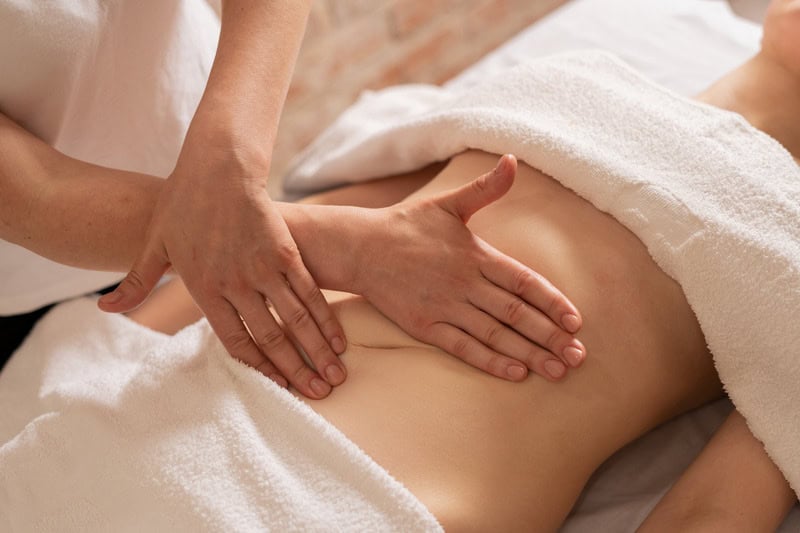
Manual Lymphatic Drainage (MLD) is a gentle, pain-free treatment that stimulates the lymphatic system to encourage the movement of lymphatic fluid through the lymphatic system.
Supporting the health of the lymphatic system is important, particularly following surgery, injury, or illness, as these conditions can affect its normal function and fluid transport.
As lymphatic flow improves, excess fluid, proteins, and cellular waste are removed more effectively from the tissues. This can help reduce swelling and limit ongoing fluid accumulation within the affected area. Improved blood circulation may also enhance the supply of oxygen and nutrients to the tissues, contributing to tissue recovery, skin integrity, and overall healing.
As the lymphatic vessels sit just beneath the surface of the skin, MLD uses light, gentle movements rather than the firm pressure typically used in traditional massage treatments.
MLD is deeply relaxing due to its calming effect on the nervous system, which may help ease discomfort, reduce tension, and promote a sense of balance and well-being. The treatment can also support healthy immune system function by encouraging efficient lymphatic flow.
How does it work?
It is performed dry, without cream or oil. With slow and gentle rhythmical movements, MLD stimulates the stretch receptor reflex in the lymph vessels, therefore activating the intrinsic mechanism of lymph flow. Because the lymphatic flow depends on a pressure gradient, the entry of fluids into the initial lymphatics responds to the subtle tissue stretch and interstitial pressure changes, thereby facilitating transport along lymph collectors and open anastomoses between lymph territories.
For individuals with impaired lymphatics from radiation or surgery, lymph will have to be directed across watersheds by opening anastomoses towards the working lymph channels.
How does manual lymphatic drainage differ from regular massage?
- Manual Lymphatic Drainage uses a systemic approach that supports the lymphatic system and encourages fluid movement through the body’s natural drainage pathways. Regular massage, on the other hand, uses a mechanical approach focused on the muscles and surrounding soft tissues to reduce tension and improve mobility.
- Manual lymphatic drainage compresses only the dermis and subcutis; hence, it is always pain-free, while regular massage compresses muscle tissue.
- Manual lymphatic drainage is performed without oil or cream, while regular massage is performed with oil or cream.
Conditions that might benefit from manual lymphatic drainage?
- Mild fluid retention
- General circulatory support
- Lymphatic wellbeing
- Headache
- Stress
- Neurological pain
- Fibromyalgia
- Persistent swelling or inflammation
- Post-surgical recovery (after doctor’s clearance)
- Bruising & injury-related swelling
- Lipedema support
- Diagnosed lymphoedema
- Cancer-related lymphoedema
Conditions where Manual Lymphatic Drainage is not suitable?
- Acute Inflammation with Infection
- Untreated DVT
- Untreated Cancer
- Congestive Heart Failure
What inspired you to do this course?
Ever since I started working as a remedial massage therapist, I’ve had people asking if I do lymphatic massage. The more I looked into it, the more I realised there were so many different terms being used – lymphatic massage, lymphatic drainage massage, Manual Lymphatic Drainage (MLD) – and I honestly wanted to get to the bottom of what it all actually meant.
I wanted to study something that was evidence-based and recognised by the Australasian Lymphology Association rather than just doing a short commercial-style course. What I learned was that a lot of what’s marketed as “lymphatic massage” is more of a relaxation-style lymphatic effleurage, whereas Manual Lymphatic Drainage is much more clinical in its approach and focuses on supporting lymphatic function and increasing lymphatic pumping.
Working in clinic also made me realise there are individuals who could really benefit from this treatment, especially those with lymphoedema, lipoedema, mild oedema, or individuals whose tissues feel too sensitive for even a gentle regular massage. That definitely motivated me to learn more and be able to offer another option for support.
What did you enjoy most about the training?
I have mastered the techniques of oedema management, compression bandaging, and the anatomical, physiological and pathophysiological fundamentals of treatment of oedema with Manual Lymphatic Drainage and Combined Decongestive Therapy.
Aside from the enjoyment of networking with other like-minded health practitioners, I loved the section on clinical reasoning and discussing pathologies. Most importantly, I learnt a lot about treatment success, adjunct treatment and got to have a chance to have real-life case studies presented to us.
Why are you excited to bring this treatment to the centre?
I’m excited to bring lymphatic therapy into the centre because there is a growing need for greater support for individuals managing post-surgical recovery, lymphoedema, lipedema, phlebedema and other chronic health conditions. It’s rewarding to be able to offer individuals a treatment that not only supports physical healing but also helps them feel more comfortable and supported throughout their health journey.
— Joey is an accredited Lymphoedema Practitioner, listed on the National Lymphoedema Practitioner Register (NLPR) administered by the Australasian Lymphology Association (ALA).