
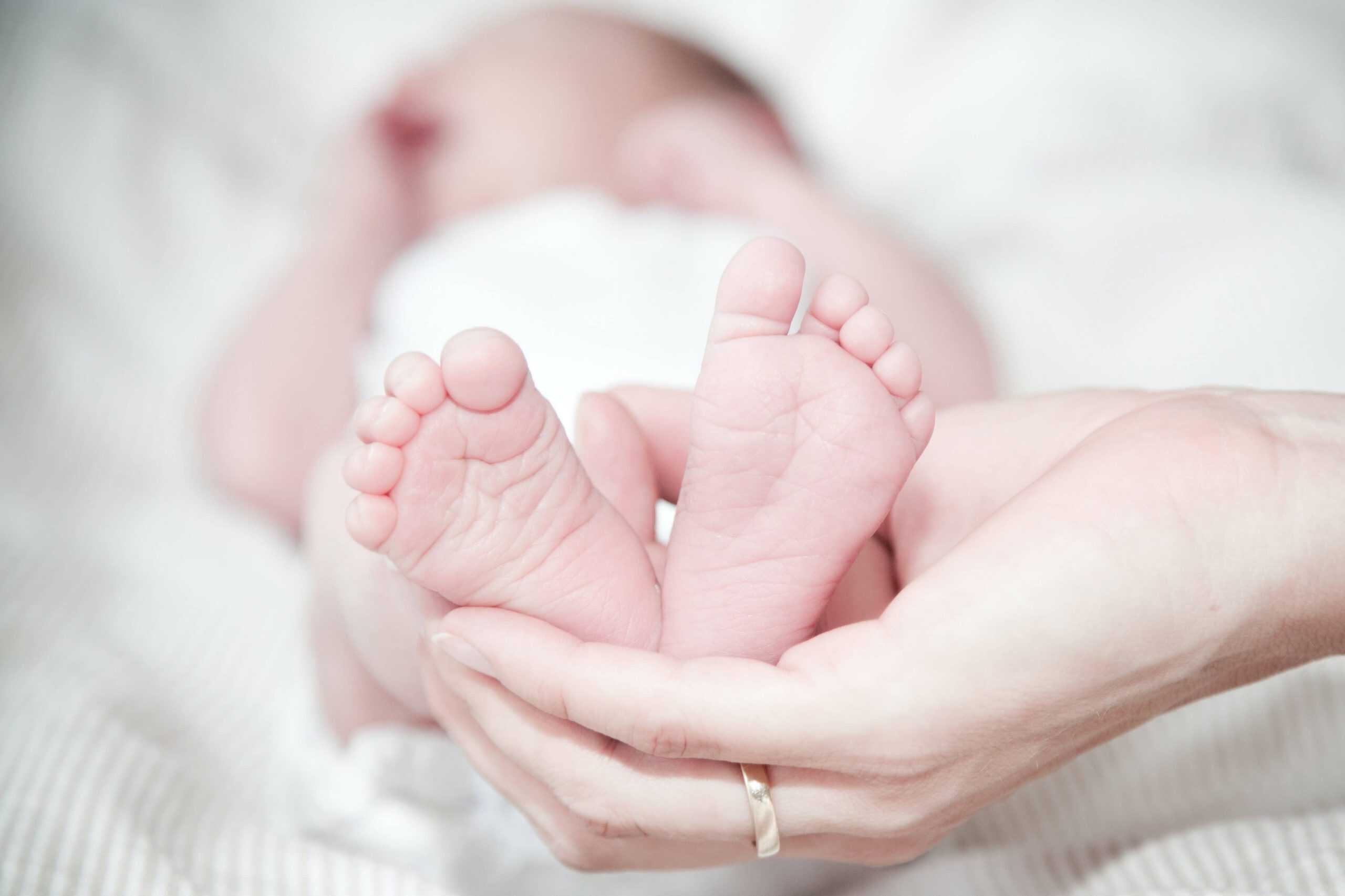
It Provides Gentle Support for Growing Bodies
Growing up is an amazing journey, but it can also be hard work for a child’s body. From birth through their first steps, children experience several physical milestones that place demands on their young muscles, bones and joints. Gentle chiropractic care may help support healthy movement and spinal function throughout development, providing an opportunity to assess and manage musculoskeletal concerns as children grow.
Phase 1: A Gentle Start After Birth
The journey into the world is perhaps one of the most physically demanding experiences we experience in life. The natural process of childbirth, particularly assisted births using forceps or vacuum, can place strain on a newborn’s delicate neck and surrounding muscles.
This physical stress may contribute to reduced movement or restriction in the joints and muscles of the neck. Healthy neck movement is important for comfort and normal movement patterns during early development. Where appropriate, a chiropractor can assess whether there are any musculoskeletal concerns that may benefit from care.
Signs Your Infant May Benefit from a Chiropractic Assessment:
- One-Sided Preference: Holding their head turned to only one side (torticollis).
- Feeding Difficulties: Showing a clear preference for breastfeeding on one side only.
- Discomfort: Reluctance or fussiness when trying to turn their head.
- Secondary Symptoms: If you have concerns about your baby’s movement, comfort, feeding preferences or physical development, our chiropractors can provide a thorough musculoskeletal assessment and discuss whether chiropractic care may be appropriate. If your baby’s symptoms require further investigation, we can also recommend referral to the appropriate healthcare professional.
Phase 2: Building Strength Through Crawling
Between 6 and 9 months of age, babies begin moving into a four-point stance in order to learn how to crawl. This stage plays an important role in the development of the lower back (lumbar) curve.
Why Crawling Matters:
- Foundation for Posture: The lumbar curve creates the structural foundation for sitting and standing.
- Coordination: Crawling trains the brain and body to coordinate opposite arm-and-leg movements.
- Development: Assessing the pelvis and lower back may help identify areas of reduced movement or muscle tension that could influence comfort and movement during this stage of development.
Phase 3: Taking the First Steps
Between the ages of 8 and 12 months, children begin to pull themselves up to explore the world on two feet. Standing upright introduces weight-bearing forces that contribute to bone development and skeletal strength. At this time;
Navigating Bumps & Tumbles:
- Frequent Falls: Toddlers fall hundreds if not thousands of times while mastering their balance.
- Everyday Bumps & Tumbles: Kids are naturally flexible compared to adults, but awkward tumbles or bumps can still contribute to muscle tightness or temporary changes in movement.
- Chiropractic Assessments: May help identify musculoskeletal concerns following bumps and tumbles, and support healthy movement as children continue to grow and develop.
The Value of a Healthy Spine
Keeping the spine and musculoskeletal system moving well may help support comfortable movement as children grow and develop. Like adults, children rely on healthy movement to explore their world, and chiropractic care may play a role in supporting their musculoskeletal health as part of their overall healthcare.
Watching your child grow is an exciting journey, and supporting their musculoskeletal health can be one part of helping them stay active and comfortable as they develop. If you have questions about your child’s movement or physical development, speak with one of our chiropractors. We’re here to listen, assess your child’s individual needs, and help you make informed decisions about their care.

