
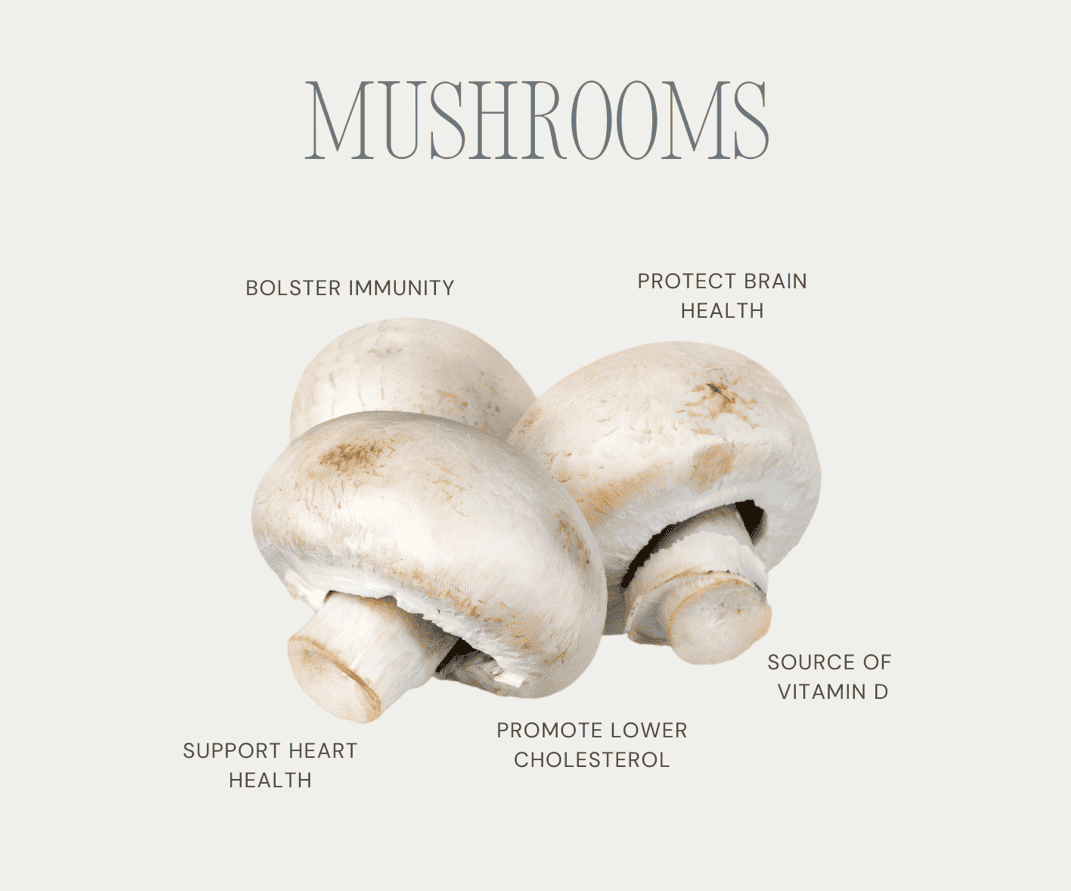

At Karrinyup Wellness Centre, medicinal mushrooms are a regular part of our naturopathic toolkit. Cordyceps, lion’s mane and reishi are three we commonly consider as part of individualised treatment plans, depending on a person’s health history, goals and clinical presentation. In this article, we take a closer look at each one, exploring both their traditional use and the emerging research behind them.
- Lion's mane can be cooked like seafood.
- Reishi is usually brewed as a tea rather than eaten.
- Cordyceps is most commonly taken as a powder or extract.
- Most medicinal mushrooms work best when used consistently as part of an overall healthy lifestyle.

Cordyceps
If you’ve watched The Last of Us, you’ve already met cordyceps — just not the version that we use in clinic. In the wild, this parasitic fungus consumes insects from the inside out, the inspiration for the show’s fungal-zombie premise. The good news: humans aren’t a natural host, so that particular apocalypse stays fictional. In real life, cordyceps has traditionally been used to support energy levels & general wellbeing.
Ophiocordyceps sinensis has been used in traditional Chinese medicine for centuries in relation to energy, vitality and general health, but wild harvesting made it slow, expensive and eventually endangered. The solution is Cordyceps militaris — cultivated at scale on grain substrates instead of insects, with a similar traditional use. Today it is widely used in herbal medicine to support vitality and healthy ageing.
COOKING UP CORDYCEPS
Unlike culinary mushrooms, cordyceps is most commonly consumed as a powder or extract rather than cooked whole. It has a mild, earthy flavour that blends surprisingly well into everyday foods and drinks.
Some easy ways to enjoy cordyceps include:
- Stirring the powder into your morning coffee or herbal tea.
- Adding it to smoothies or protein shakes.
- Mixing it into overnight oats or porridge.
- Blending it into hot chocolate.
- Stirring it through soups or broths just before serving.
Lion’s Mane
Lion’s mane has a long history of traditional use in supporting cognitive and digestive wellbeing. In Chinese and Japanese medicine, it has traditionally been used to nourish digestion and support overall digestive health. It’s also traditionally used where rest and vitality require additional support — Buddhist monks reportedly drank lion’s mane tea to sharpen focus during meditation.
Interest in lion’s mane has grown rapidly in recent years, with research exploring its potential role in supporting cognitive function & nervous system health. Researchers have also investigated its influence on nerve growth factor (NGF), making it a focus of ongoing scientific research.
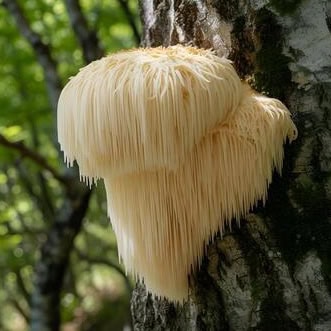
LION’S MANE IN THE KITCHEN
Fresh lion’s mane has a unique texture that many people compare to crab or lobster, making it one of the easiest medicinal mushrooms to cook with.
Try it:
- Pan-fried in butter or olive oil with garlic and fresh herbs.
- Torn into pieces and added to tacos or burgers.
- Mixed through scrambled eggs or omelettes.
- Added to creamy pasta dishes or risotto.
- Served alongside grilled fish or steak.
- Roasted until golden as a delicious side dish.
RECIPE:
Lion’s Mane Breakfast Scramble
Ingredients:
- 1 cup fresh lion's mane, torn into bite-sized pieces
- 2–3 eggs
- 1 tbsp olive oil or butter
- 1 clove garlic, minced
- Fresh parsley
- Salt and pepper
Method:
Cook the lion’s mane in butter or olive oil for 5–7 minutes until golden. Add the garlic for the final minute before pouring in the whisked eggs. Cook gently until just set, season to taste and finish with fresh parsley.
A simple breakfast that’s rich in protein and an easy way to enjoy one of nature’s most fascinating mushrooms.
Reishi
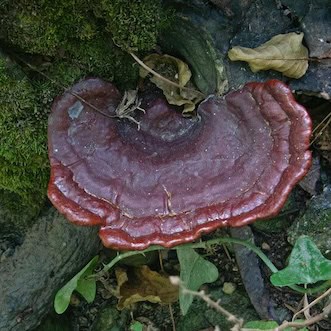
Known in TCM as lingzhi, or “spirit plant,” reishi has been treasured in traditional herbal medicine for centuries. Traditionally regarded as an adaptogenic mushroom, it continues to attract growing scientific interest for its naturally occurring bioactive compounds and long history of use in supporting general wellbeing. Taoist monks used it to cultivate calm and support longevity, and it was historically reserved for Chinese royalty.
USING REISHI AT HOME
Reishi is quite different from culinary mushrooms. Its woody texture makes it unsuitable for frying or roasting, so it’s typically consumed as a tea or concentrated extract.
Its naturally bitter taste pairs well with warming spices such as cinnamon, ginger and cacao.
Many people enjoy reishi by:
- Pan-fried in butter or olive oil with garlic and fresh herbs.
- Torn into pieces and added to tacos or burgers.
- Mixed through scrambled eggs or omelettes.
- Added to creamy pasta dishes or risotto.
- Served alongside grilled fish or steak.
- Roasted until golden as a delicious side dish.
Mushroom Stacking
“Stacking” (which refers to combining medicinal mushrooms with the aim of complementing their traditional uses) is having a moment in Western herbal medicine. A popular combination for focus & cognition pairs cordyceps, lion’s mane and reishi, offering energy, brain health and stress support together; a 2019 systematic review explored the potential role of this combination in supporting cognitive health, although further clinical research is needed.
Simple Ways to Eat More Medicinal Mushrooms
You don’t need to overhaul your diet to enjoy medicinal mushrooms. Small additions to meals throughout the week can be an easy way to incorporate them into your routine.
Ideas include:
- Omelettes and scrambled eggs
- Stir-fries
- Homemade soups
- Slow-cooked casseroles
- Risottos
- Pasta sauces
- Curries
- Fried rice
- Pizza toppings
- Smoothies
- Coffee, tea or hot chocolate (using mushroom powders or extracts)
How These Mushrooms May Be Used in Naturopathic Care
As naturopathic practitioners, the real value of these three mushrooms lies in how they complement each other across different presentations:
- Supporting recovery following illness – Cordyceps may be considered to support energy and general wellbeing during recovery, with reishi sometimes incorporated where additional support is appropriate based on the individual’s presentation.
- Supporting cognitive wellbeing & mental clarity – Lion’s mane is often considered where cognitive wellbeing & mental clarity are a focus, and may be paired with cordyceps where low energy is also a contributing factor.
- Supporting resilience during periods of everyday stress – Traditionally regarded as an adaptogenic mushroom, reishi may be considered for individuals experiencing periods of everyday stress or finding it difficult to unwind.
- Supporting digestive & cognitive wellbeing – Lion’s mane’s traditional use in supporting both digestive and cognitive wellbeing makes it a valuable consideration where these areas overlap.
- Healthy ageing & long-term wellbeing – Depending on the individual, cordyceps, lion’s mane and reishi may sometimes be combined as part of a personalised herbal medicine plan to support vitality, cognitive wellbeing and resilience.
As with all herbal medicines, recommendations are tailored to the individual following a comprehensive naturopathic consultation and may not be appropriate for everyone. If you’d like to explore whether naturopathy or medicinal mushrooms may have a place in your personalised health plan, speak with our team during your next visit or contact Karrinyup Wellness Centre to book a consultation with one of our experienced naturopaths.