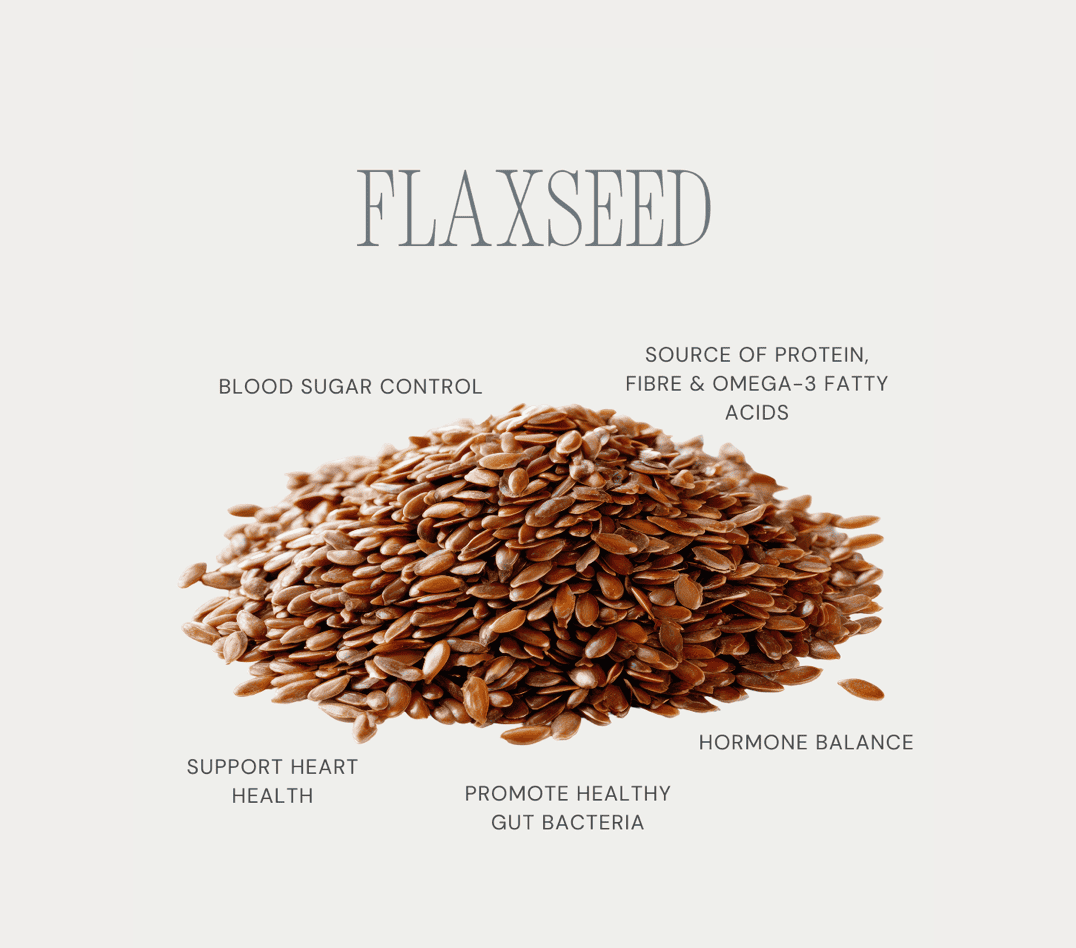
If you’re looking for one simple addition that supports a healthy gut microbiome, flaxseed is hard to beat. These small brown or golden seeds are one of the richest plant sources of fibre and lignans available, and both play a direct role in feeding and shaping a diverse, resilient gut microbiome.
Why flaxseed matters for gut health
Flaxseed contains a unique combination of soluble and insoluble fibre. The soluble fibre acts as a prebiotic, meaning it passes through the small intestine undigested and arrives in the colon intact, where beneficial bacteria ferment it. This fermentation produces short-chain fatty acids, including butyrate, which nourish the cells lining the colon, support a healthy gut barrier, and help keep inflammation in check. The insoluble fibre component adds bulk and supports regular, comfortable bowel motions.
Flaxseed is also the richest dietary source of lignans, plant compounds that are converted by gut bacteria into enterolactone and enterodiolone. This conversion depends on having a healthy, diverse microbial community in the first place, and in turn, regular flaxseed intake has been shown to encourage greater microbial diversity over time. This creates a helpful two-way relationship between the seed and the bacteria that process it.
Together, this makes flaxseed a great example of food as medicine: a single tablespoon or two a day helps feed beneficial bacteria, supports the production of gut-protective compounds, and encourages the kind of microbial diversity that underpins long-term digestive and metabolic health.
Grind it fresh, and keep it in the fridge
To get these benefits, flaxseed needs to be ground. Whole seeds have a hard outer coat that largely resists digestion, so if you eat them whole, most will pass straight through without releasing their fibre, lignans, or oils.
Once ground, however, flaxseed is also far more exposed to oxygen and light, and its oils – rich in polyunsaturated omega-3 fats – are prone to oxidising and turning rancid quite quickly. Rancid oils aren’t just unpleasant in flavour; they no longer offer the same nutritional benefit.
For this reason, it’s best to grind your own flaxseed fresh in small batches – a coffee or spice grinder works well – and store it in an airtight container in the fridge, using it up within a week or so. This keeps the oils stable and the nutrients intact.
It’s worth avoiding pre-ground flaxseed meal sold on shelves at room temperature. By the time it reaches your pantry, it may already have been sitting ground and exposed for weeks or months, meaning much of its beneficial fat content has degraded before it even gets to you.
The takeaway
Buy them whole, grind a week’s worth at a time, and keep your fresh-ground flaxseed meal in the fridge. It’s a small habit that goes a long way toward supporting a thriving gut microbiome.